My First Christmas SVG: A Designer's Review for Real Embroidery Use
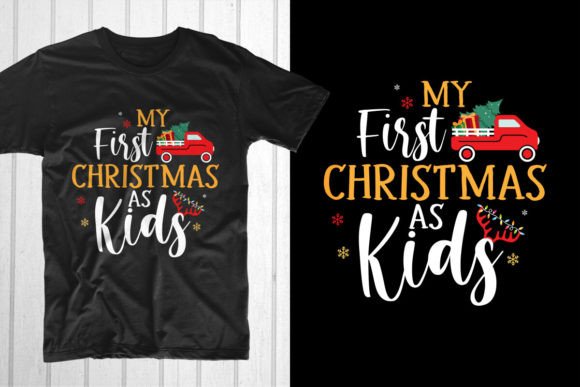
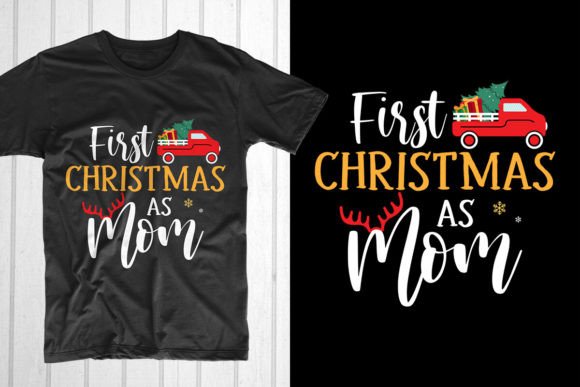
When I first opened My First Christmas SVG, First Christmas, I was looking at it through the lens of someone who has stitched hundreds of holiday projects over the years. This design falls into that sweet spot where simplicity meets emotional resonance. It is not an overly detailed piece, and that is exactly what makes it practical for real embroidery work. The layout feels clean, the theme is timeless, and the overall mood is warm without being cluttered. For anyone running a small shop, selling on Etsy, or building a craft business around custom apparel, this is the kind of design asset that can carry a lot of weight across multiple product types.
First Impression and Design Personality
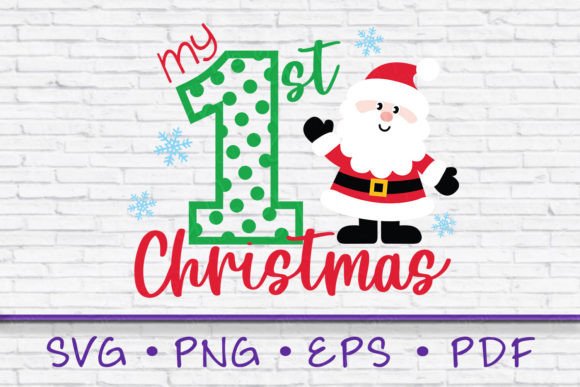
The visual personality of My First Christmas SVG, First Christmas reads as gentle and celebratory. It captures the excitement of a first holiday without being overly busy. The shapes are friendly, the layout is balanced, and there is a natural focal point that draws the eye. As a designer, I appreciate that the Graphics are structured in a way that leaves room for personalization. The ability to customize with a name and your own colors means this piece can adapt to different brand aesthetics and customer preferences. For T-Shirt Designs, this kind of flexibility is gold. You are not locked into a single color palette or layout, which matters when you are stitching for a wide range of clients.
The mood here is inclusive and family oriented. It feels like something a new parent would proudly put on a onesie or a grandparent would want on a tote bag. The design does not rely on trendy fonts or overly intricate details that date quickly. Instead, it leans into a classic, readable style that will feel fresh years from now. That is a smart move for anyone building a digital embroidery file library or a handmade product line.
Real Project Fit: From Baby Gifts to Boutique Stock
I recently used this design to prepare a custom embroidered tote bag for a customer who wanted a holiday gift for her niece. She wanted something that felt personal but not over the top. Using My First Christmas SVG, First Christmas, I digitized the wording and added a simple name in a contrasting thread color. The result was exactly what she was hoping for—clean, readable, and heartfelt. The tote bag became a conversation piece at her family gathering, and she immediately ordered two more for her other nieces.
This design fits naturally into several product categories. I can see it working beautifully on sweatshirt embroidery, baby embroidery, applique design projects, pillow covers, kitchen towels, aprons, and even embroidered patches for ornaments or gift tags. For Etsy sellers and small shop owners, this is the kind of personalized gift that sells well during the holiday season. It has that emotional pull that makes customers willing to spend a little more for something custom.
The design also works well in printable mockup form. Because the layout is clean, you can preview it on shirts, bags, or hats without the mockup looking cluttered. That helps when you are creating listings for your craft business or building a catalog of design assets. Customers can clearly see what they are getting, and that builds trust and buyer engagement.
Where This Design Shines and Where to Think Twice
My First Christmas SVG, First Christmas performs best on medium to large surfaces where the lettering and graphic elements have room to breathe. I would recommend it for custom apparel like crewneck sweatshirts, t-shirts, baby onesies, and toddler tees. It also translates well onto tote bag design projects, especially when you use a satin stitch or fill stitch for the main elements. The shapes are bold enough to hold their own on fabric texture like cotton, linen, and fleece.
That said, there are a few scenarios where you need to be careful. If you are working with a small hoop size, the design may require rescaling, and that can affect the readability of any small lettering. On textured fabrics like thick knits or bouclé, fine details can get lost. Thin fabric like lightweight jersey may need extra stabilizer to prevent puckering, especially if you are using a dense fill stitch. Dark fabric requires careful thread color selection to maintain contrast. I always recommend testing the design on scrap fabric first, especially if you are new to the file or working with a material you have not used before.
For curved surfaces like caps or beanies, keep the design compact. The layout is simple enough that it can fit on a cap front, but you will want to check the hoop size and make sure the design does not extend into the curve too far. Dense stitch areas can be an issue on hats if the fabric does not have enough give. Use a medium weight cutaway stabilizer and test the stitch out before committing.
Stitching Reality: What to Expect at the Machine
From a technical standpoint, this design digitizes cleanly. The running stitch outlines are crisp, and the fill stitch areas lay down smoothly if your tension is balanced. I would recommend reviewing the stitch density before stitching. If the file has dense sections, consider reducing the density slightly for softer fabrics. Thread colors should be chosen with contrast in mind. A white or cream thread on a dark background reads beautifully, while pastels on a light fabric can wash out.
One thing I always tell hobbyists and creative entrepreneurs who are new to this file: test it in black and white first. Print a black and white mockup from your software and look at the value contrast. If the design looks muddy in grayscale, it will likely look muddy when stitched. That simple step saves a lot of frustration and wasted thread.
Because the design allows for name customization, you will need to pay attention to the placement of the name relative to the main graphic. Make sure the name does not crowd the central elements. Leave enough breathing room so that each part of the design stands on its own. A good rule of thumb is to keep the name in a slightly smaller satin stitch or running stitch so it complements without competing.
Practical Notes Before You Digitize or Sell
If you are planning to use My First Christmas SVG, First Christmas for commercial embroidery or to sell finished products, always verify the licensing terms before you start. The product description mentions printing your own stickers, cutting with a cutter, and using iron-on transfers, but it does not explicitly state the licensing for machine embroidery or commercial resale of stitched items. That is something you need to confirm on your own. Do not assume that because you can print it for personal use, you can legally sell embroidered products using the design. When in doubt, contact the seller directly.
For digital product sellers who want to offer this as part of a bundle, check whether the file qualifies as a commercial design asset or whether it is restricted to personal projects. The last thing you want is a licensing issue after you have already built a product line around it.
From a production standpoint, I recommend using a medium weight cutaway stabilizer for most garment applications. For baby embroidery on onesies or soft cotton, a tearaway stabilizer can work, but cutaway will give you more longevity through repeated washing. If you are making embroidered patches, use a heavy cutaway and trim close to the stitching after stabilizing. This design patches up well and can be sewn onto bags, blankets, or ornaments as a standalone piece.
Final Verdict for the Embroidery Business
My First Christmas SVG, First Christmas is a solid choice for anyone who works in personalized gift production, custom apparel, or holiday embroidery. It has the visual warmth that sells well during the holiday season, and the simplicity means it will stitch out reliably across a wide range of fabrics and product types. The ability to customize with a name and colors adds real value for Etsy sellers, small shop owners, and apparel decorators who need to offer something unique without reinventing the wheel for every order.
For handmade product businesses, this design can anchor a whole holiday collection. Pair it with matching applique design elements, or use it as a standalone piece on sweatshirt embroidery and tote bag design projects. It also works well as a digital embroidery file for customers who want to stitch it themselves. Just make sure the file format matches what your audience uses, and always include a clear sizing chart in your listings.
If you are a craft business owner or a maker who values designs that are both beautiful and practical, this one deserves a spot in your library. It delivers on the emotional promise of a first Christmas while giving you the flexibility to make it your own. Test it, tweak the colors, and let it earn its keep in your holiday rotation.