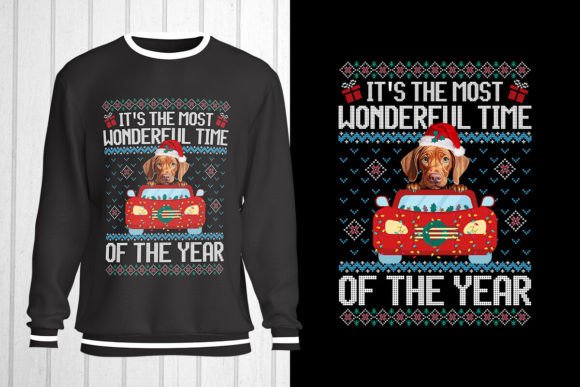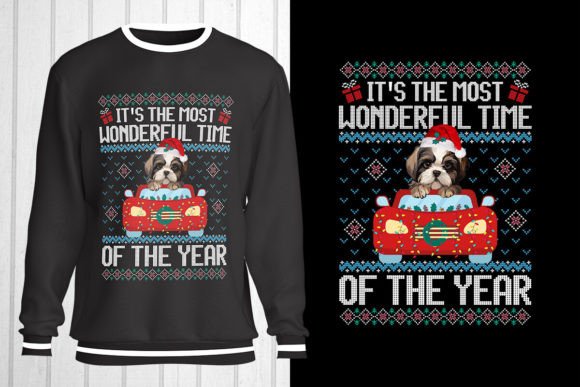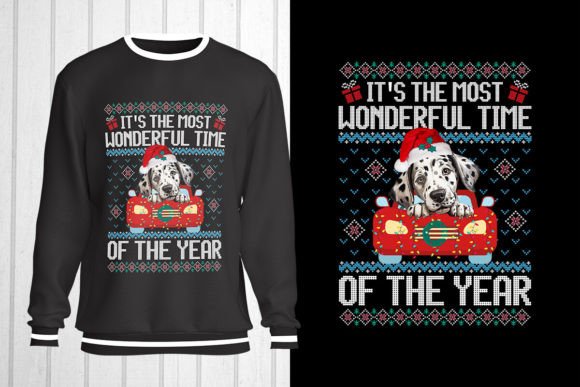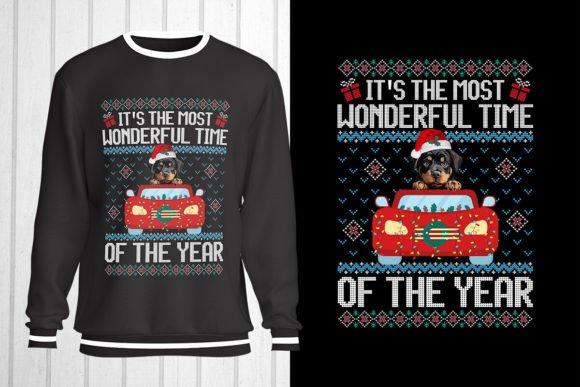
Corgi Dog Christmas Ugly Sweater Graphics for T-Shirt Designs
When you are preparing a seasonal collection for your print-on-demand shop or digital download store, the first impression a design makes can determine whether a buyer clicks or scrolls past. I recently tested Corgi Dog Christmas Ugly Sweater as part of a new holiday lineup, and I want to walk through how this graphic design asset performs when you evaluate it for real selling situations. Whether you sell on Etsy, Creative Fabrica, Shopify, or run a small batch handmade business, the way you use an illustration like this affects your listing quality, customer trust, and ultimately your conversion rates.
First Impression and Niche Appeal of This Seasonal Graphic
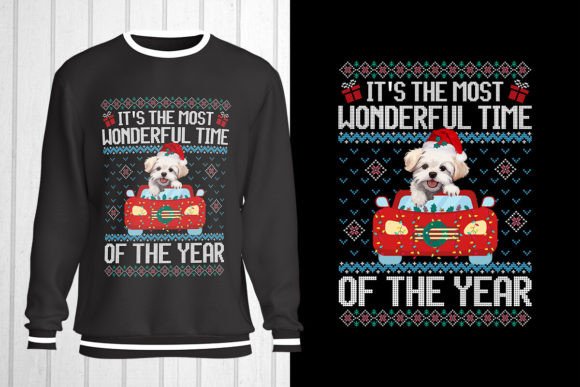
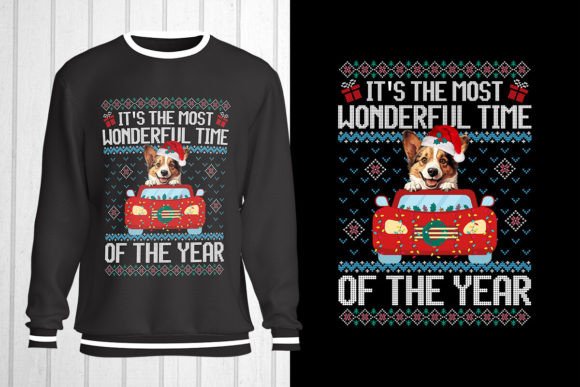
The first thing I noticed about Corgi Dog Christmas Ugly Sweater is its playful, festive energy. The corgi is illustrated with a chunky sweater print that feels intentionally kitschy in the best way. The mood leans cute and whimsical, which naturally attracts buyers who love corgis, Christmas humor, and lighthearted apparel. In terms of visual personality, it sits firmly in the modern, cheerful, and commercial zone. It is not overly detailed or elegant, nor is it minimal. Instead, it leans into a bold, graphic style that reads well on t-shirt designs and merchandise. The audience that responds best to this kind of asset includes corgi owners, dog lovers, people shopping for themed gifts, and shoppers looking for that specific ugly sweater aesthetic that performs well during the holidays on print-on-demand platforms.
Testing the Asset Across Product Types
Before listing anything, I always take a new design through a quick product test across different formats. Corgi Dog Christmas Ugly Sweater is a versatile graphic that can be used as an SVG design, PNG design, clipart, or sublimation design. I started by dropping it into a t-shirt mockup on a white background and a dark heather grey background. On white, the sweater pattern and corgi face pop clearly. On dark backgrounds, the contrast holds up because the design uses bold outlines and bright holiday colors. I also tested it as a mug design, a tote bag print, and a tumbler wrap. The illustration scales nicely without losing readability. For Canva templates and social media graphics, it works as a central focal point. For Cricut projects and sticker design, the shapes are simple enough that cutting lines are clean, though I recommend checking the SVG cut quality on smaller details like the corgi’s ears and the sweater pattern. For sublimation, the colors transfer well on polyester blends, but as always, test on your specific blanks.
Where This Design Works Best for Selling
From a business perspective, Corgi Dog Christmas Ugly Sweater shines in large product previews and themed bundles. On Etsy or a creative marketplace, the thumbnail needs to grab attention in a split second. This graphic does that because of its high contrast and recognizable subject. I see it performing well on t-shirt designs, hoodies, sweatshirts, and even as a printable design for wall art or greeting cards. It also fits naturally into seasonal collections like “Ugly Christmas Sweater for Dog Lovers” or “Corgi Christmas Bundle.” For product presentation, using this asset in lifestyle mockups featuring a corgi or a cozy holiday setting increases perceived value. Buyers can imagine themselves or their gift recipient wearing it. The visual storytelling is immediate. In terms of brand identity, if your shop leans into cute, dog-centric, or festive themes, this asset aligns perfectly. It can also be paired with script fonts, sans serif fonts, or handwritten fonts on mugs and tees to adjust the tone from playful to slightly more refined.
Where to Use It Carefully
Not every product format is ideal for this design. On tiny items like sticker details, planner stickers, or small pins, the sweater pattern may lose definition. The illustration has a lot of graphic texture that needs a certain minimum size to remain clear. If you are using it for low-resolution print products or crowded thumbnails, the details can get muddy. I also advise caution on dark backgrounds if the design uses any thin lines or light colors without a stroke. In this case, the corgi and sweater have enough outline weight to handle darker backgrounds, but still test on your intended product mockup. For Cricut or Silhouette projects where you need clean cutting lines, the SVG cut path should be inspected. Some parts of the sweater pattern may create small islands of color that complicate weeding. If you plan to sell this as a printable design or digital download, organize the files clearly with separate PNG and SVG folders, and confirm that the resolution meets your marketplace’s requirements. Always preview the listing thumbnail at actual size to ensure the design is not lost in the visual hierarchy.
Practical Seller Notes Before Publishing
After several rounds of testing, here are the key checks I recommend before you start selling products with Corgi Dog Christmas Ugly Sweater. First, test the design on real mockups across multiple product types. I use a mix of flat lay mockups and model shots to see how the graphic reads. Second, preview it as a marketplace thumbnail at 200 pixels wide. If the corgi face and sweater are still recognizable, you are in good shape. Third, check how it looks on both white and dark backgrounds. Fourth, test print colors on your actual printer or fulfillment provider. Some greens and reds may shift during sublimation or direct-to-garment printing. Fifth, verify PNG transparency if you are selling digital files. No buyer wants a white box around their design. Sixth, inspect SVG cut quality for Cricut projects. If any small elements are disconnected, consider offering a simplified version. Seventh, confirm your commercial license allows you to sell finished products using this asset. Most graphic design assets for commercial design include a standard license, but double-check the terms on your marketplace. Finally, organize your files in a clean folder structure with the design name, file format, and size clearly labeled. This builds trust with customers and reduces support questions.
How It Supports a More Professional Product Collection
Using a well-designed asset like Corgi Dog Christmas Ugly Sweater is only half the battle. The other half is how you present it. This graphic gives you a strong visual anchor for product mockups, social media graphics, packaging design, and listing images. When I added it to my seasonal bundle, the overall collection felt more cohesive. I paired it with a serif font on a greeting card version and a display font on a t-shirt mockup. The illustration’s built-in contrast helped the product thumbnails stand out in search results. Small business branding relies on consistency, and having a set of assets that share a visual language makes your shop look more established. Whether you are creating a Canva template, a sublimation design, or a simple PNG for mugs, this asset pulls its weight. It is also the kind of design that encourages bundling. You can offer a t-shirt design, a mug design, a tote bag print, and a sticker design all using the same graphic. That variety increases average order value and gives customers more options.
Final Thoughts on Using This Asset in Your Shop
Corgi Dog Christmas Ugly Sweater is a solid addition to a holiday product lineup, especially for sellers targeting dog lovers and ugly sweater fans. It is not a hyper-detailed illustration, and that works in its favor for print-on-demand and digital download applications. The bold lines and festive colors make it easy to apply across t-shirt designs, mugs, totes, stickers, and more. As with any graphic design asset, the real value comes from testing, thoughtful product selection, and professional presentation. If you take the time to preview it in real mockups, check contrast and cut quality, and organize your files clearly, this design can help you build a more attractive seasonal collection. For experienced digital product creators, it is a reliable choice that balances niche appeal with commercial viability.