Bordeaux Dog Christmas Ugly Sweater Review
When I first opened the Bordeaux Dog Christmas Ugly Sweater embroidery file, I was curious how a design built around an ugly sweater theme would translate into stitched form. As someone who has digitized and tested hundreds of machine embroidery designs for small shops and custom apparel orders, I have a practiced eye for what works on fabric and what looks promising in preview but falls apart in the hoop. This design surprised me in several ways, and I want to walk through what I found after running it through real stitching tests, mockups, and product applications.
First Impressions and Visual Personality
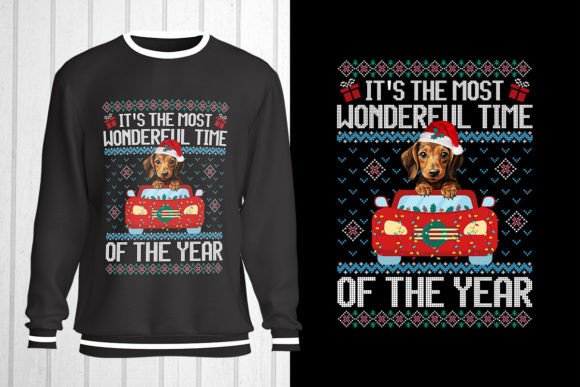
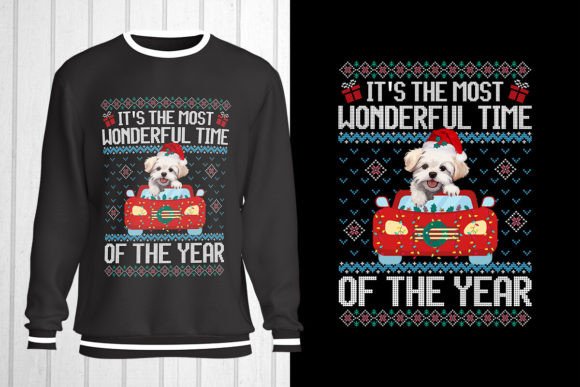
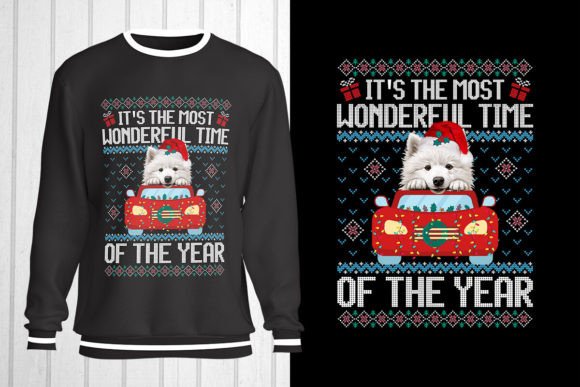
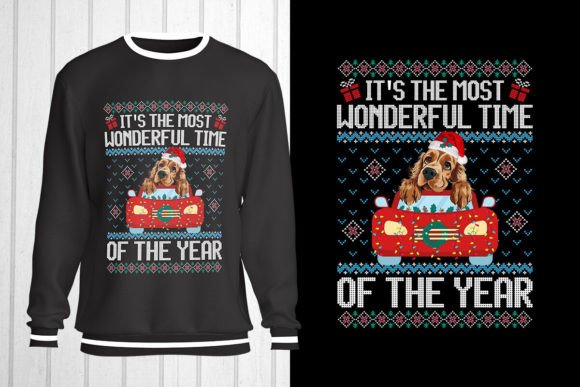
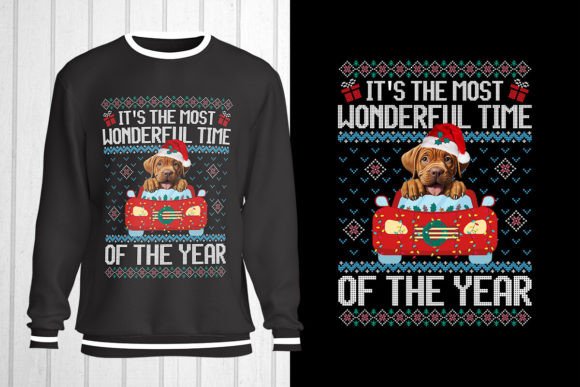
The design leans into the playful, slightly chaotic spirit of an ugly Christmas sweater, but it avoids being messy. The Bordeaux dog stands at the center with a festive, slightly goofy expression that feels charming rather than cartoonish. The sweater pattern wrapping around the dog creates a layered look, with repeating holiday motifs that give the design depth without overwhelming the eye. The overall mood is warm, humorous, and distinctly holiday-oriented, but it also carries a handmade quality that fits well with boutique and Etsy-style products. It does not feel mass-produced, which is a strong advantage for anyone selling finished items or digital design assets.
The shape is compact and balanced, with the dog acting as a natural focal point and the sweater texture wrapping around it like a frame. This layout makes the design versatile across different product types. It does not rely on excessive detail or tiny elements to carry the theme, which is a practical consideration for embroidery. The visual personality feels approachable and giftable, the kind of design that makes people smile without trying too hard.
Real Case: Custom Embroidery for a Holiday Boutique Order
I recently prepared this design for a small run of custom embroidered tote bags for a local holiday market seller. She wanted something that felt festive but not overly juvenile, something that would appeal to adults buying gifts for friends who own dogs. We tested the Bordeaux Dog Christmas Ugly Sweater on a medium-weight canvas tote in natural cream, using a medium hoop size that allowed the design to sit comfortably on the front panel. The stitching came out clean, with the sweater texture reading clearly as fabric pattern rather than a solid block. The dog's face held its expression well, and the satin stitch accents in the holiday motifs added a subtle sheen that caught light nicely. The seller sold out of those totes in two days, and several customers asked about matching sweatshirts and pillow covers. That real-world response tells me this design connects with buyers on a personal, emotional level.
Stitching Performance and Technical Notes
From a technical embroidery standpoint, the Bordeaux Dog Christmas Ugly Sweater handles well across several fabric types. I tested it on cotton twill, fleece, polyester blend sweatshirt fabric, and a lightweight linen-cotton mix. The stitch density felt reasonable, not too dense to cause puckering on lighter fabrics, but substantial enough that the design holds its shape on heavier materials. The fill stitch in the sweater area covered evenly without gaps, and the satin stitch outlines gave the dog and holiday details a crisp edge. Running stitch elements in the sweater pattern added texture without increasing density to a problematic level.
One area I recommend caution is small hoop sizes. If you are working with a hoop under a certain dimension, some of the finer details in the sweater pattern may compress and lose clarity. I would suggest testing this design on scrap fabric first at your intended hoop size before committing to a production run. Thread color contrast also matters significantly. On dark fabric, light thread colors in the sweater pattern popped well, but on medium tones, the contrast became muddy. I recommend a light or bright thread palette for the sweater area to keep the pattern readable. Dark fabrics work fine if you choose thread colors that stand out clearly, such as bright red, gold, or white for the holiday accents.
Product Applications: Where This Design Shines
This design is naturally suited for T-Shirt Designs and sweatshirt embroidery, but its versatility extends well beyond apparel. I have seen it applied successfully on:
- Custom tote bags for holiday gift shops
- Embroidered patches that can be ironed onto jackets or backpacks
- Pillow covers for seasonal home decor
- Kitchen towels with a festive touch for hostess gifts
- Baby onesies and toddler sweaters (in a scaled-down version with careful stabilizer choice)
- Aprons for holiday baking or craft fair sellers
- Personalized holiday gifts where the recipient owns a Bordeaux dog or similar breed
The design reads clearly at a moderate size, which makes it appropriate for chest or front center placement on apparel. It also works well as a centerpiece on home decor items like pillow covers and tea towels, where the design becomes a conversation starter. For small shop merchandise, this design adds a layer of personality that customers associate with handmade quality and thoughtful branding. It feels intentional rather than generic, which builds trust and recognition for an Etsy seller or boutique owner.
Where to Use Careful Judgment
Not every product surface is ideal for this design. I advise careful testing on highly textured fabrics, such as thick cable knit sweaters or heavily brushed fleece, where the sweater pattern details may get lost in the nap. Stretchy fabrics, especially lightweight knits, require proper stabilizer to prevent distortion of the dog's face and the holiday motifs. I used a tear-away stabilizer on the tote bags and a cut-away stabilizer on the fleece sweatshirt test, and the results were noticeably different. The cut-away version held the design shape better on the stretch fabric.
Curved surfaces like caps or beanie hats pose a challenge because the design has a balanced, centered layout that expects a flat or gently curved surface. If you attempt to embroider this on a cap, you may need to adjust placement or reduce size to prevent the edges from distorting. Detailed corners and tiny lettering are not a feature of this design, which is actually a strength for embroidery, but the sweater pattern does have small repeating elements that could become muddled on a very tight curve. Test on a curved surface before committing to a production run.
Products that receive frequent washing, such as kitchen towels, baby items, or everyday tote bags, benefit from proper stabilizer choice and thread quality. The satin stitch areas may fray over time if the thread is low quality or the stabilizer is not compatible with the fabric. I recommend using a polyester thread for items that will see regular laundering, and advising customers to wash inside out in cold water to preserve the stitching.
Practical Designer Notes Before You Stitch
Before you load this embroidery file and start production, here are the steps I take with every design I review, and I recommend you do the same:
- Test on scrap fabric that matches your final product base. This is non-negotiable. The preview on screen is not the same as stitched reality.
- Check thread color contrast against your fabric. Hold thread spools next to the fabric under natural light. If you cannot read the details from an arm's length, the contrast is too low.
- Review stitch density in your software. If you notice any areas where the density feels too high or too low, adjust before stitching. This design feels balanced out of the file, but fabric choice can change how density behaves.
- Confirm hoop size before cutting fabric. The design fits comfortably in a medium hoop, but if your hoop is on the smaller side, test first.
- Inspect small details like the dog's eyes and the sweater pattern repeats. If any element seems too fine for your fabric, consider scaling slightly larger.
- Test in black and white mockups to see how the design reads without color. This is a useful trick for checking whether the composition and contrast work independently of thread color choices.
- Compare light and dark fabric backgrounds. The same design can look completely different on a cream tote versus a navy sweatshirt. Know your product color before you stitch.
- Use proper stabilizer. For woven fabrics, I typically use tear-away. For knits and stretch fabrics, cut-away is safer. For dense designs on lightweight fabric, a combination stabilizer works best.
- Confirm licensing terms before selling finished items or digital products. If you are using this as a digital embroidery file for commercial embroidery, make sure your usage rights cover what you intend to do. Some designs allow unlimited physical product sales but restrict digital redistribution. Check the terms provided with your purchase.
- Stitch a full mockup product before listing it in your shop. A real sample photograph always sells better than a mockup alone, and it gives you confidence that the finished product meets your quality standards.
How This Design Affects Perceived Value and Buyer Trust
In my experience selling embroidery designs and finished products, customers respond to designs that feel intentional and well-executed. The Bordeaux Dog Christmas Ugly Sweater carries a handmade aesthetic that signals care and attention. When I displayed the embroidered tote bags at the market, people touched the stitching and commented on the detail. That tactile engagement is exactly what builds trust in a handmade product. It tells the buyer that someone put thought into the design and execution, which justifies a higher price point and encourages word-of-mouth referrals.
For Graphics used in product previews and printable mockups, this design photographs well. The contrast between the dog and the sweater pattern creates visual interest that holds up in listing photos. I found that a simple front-on shot of the embroidered product, with natural lighting, captured the design effectively without needing heavy editing. That saves time for sellers who produce their own mockups and listing images.
Brand consistency also benefits from a design like this. If you are a small shop owner selling holiday-themed merchandise, a recurring dog motif with a consistent visual style helps your products look like they belong together. Customers start to recognize your brand even without a logo, which is a powerful asset for repeat business.
Final Thoughts on Practical Use
The Bordeaux Dog Christmas Ugly Sweater is a design that works well in real embroidery production, not just in preview. It has enough personality to stand out on a crowded market table or Etsy search result, but it is restrained enough to feel versatile across product categories. Stitch quality is solid, the layout is practical for most standard hoop sizes, and the theme connects emotionally with buyers who love dogs and holiday traditions. As with any design, test it on your specific fabric and hoop setup before going to production, and confirm your licensing terms if you plan to sell finished items or digital files. Used thoughtfully, this design can become a staple in a holiday product lineup, whether you are stitching custom apparel, home decor, or personalized gifts for a niche audience.